CISA's Cybersecurity Performance Goals 2.0: Why Compliance Is Moving From Technical Checklists to Business Outcomes
December 13, 2025 • 5 min read
If you're running a business today, you've probably noticed that cybersecurity compliance feels like checking endless boxes on technical forms that nobody really understands. Well, here's some good news: that's about to change.
On December 11, 2025, the Cybersecurity and Infrastructure Security Agency (CISA) dropped something big: Cybersecurity Performance Goals 2.0 (CPG 2.0). And for the first time in a long while, a government cybersecurity framework actually makes sense for business leaders.
The biggest shift? We're moving away from "did you install this specific software?" to "are you actually safer?" It's about time.
What Exactly Is CPG 2.0?
Think of CPG 2.0 as a cybersecurity roadmap that speaks business language instead of tech gibberish. CISA designed it specifically for critical infrastructure owners and operators: but honestly, any business leader can benefit from understanding this shift.
Instead of giving you a 200-page technical manual filled with acronyms, CPG 2.0 focuses on measurable actions that actually improve your security posture. It's like the difference between following a recipe step-by-step versus understanding what makes a great meal and having the flexibility to adapt based on what's in your kitchen.
The framework covers both information technology (your computers, networks, email systems) and operational technology (manufacturing equipment, building controls, industrial systems). But here's the kicker: it doesn't tell you exactly which buttons to press. It tells you what outcomes to achieve.
Why This Shift Matters for Your Business
Let's be honest: traditional compliance has been a nightmare. You'd spend months implementing some obscure technical requirement, only to realize it didn't actually make you any safer. Worse, it often created new problems or slowed down your operations.

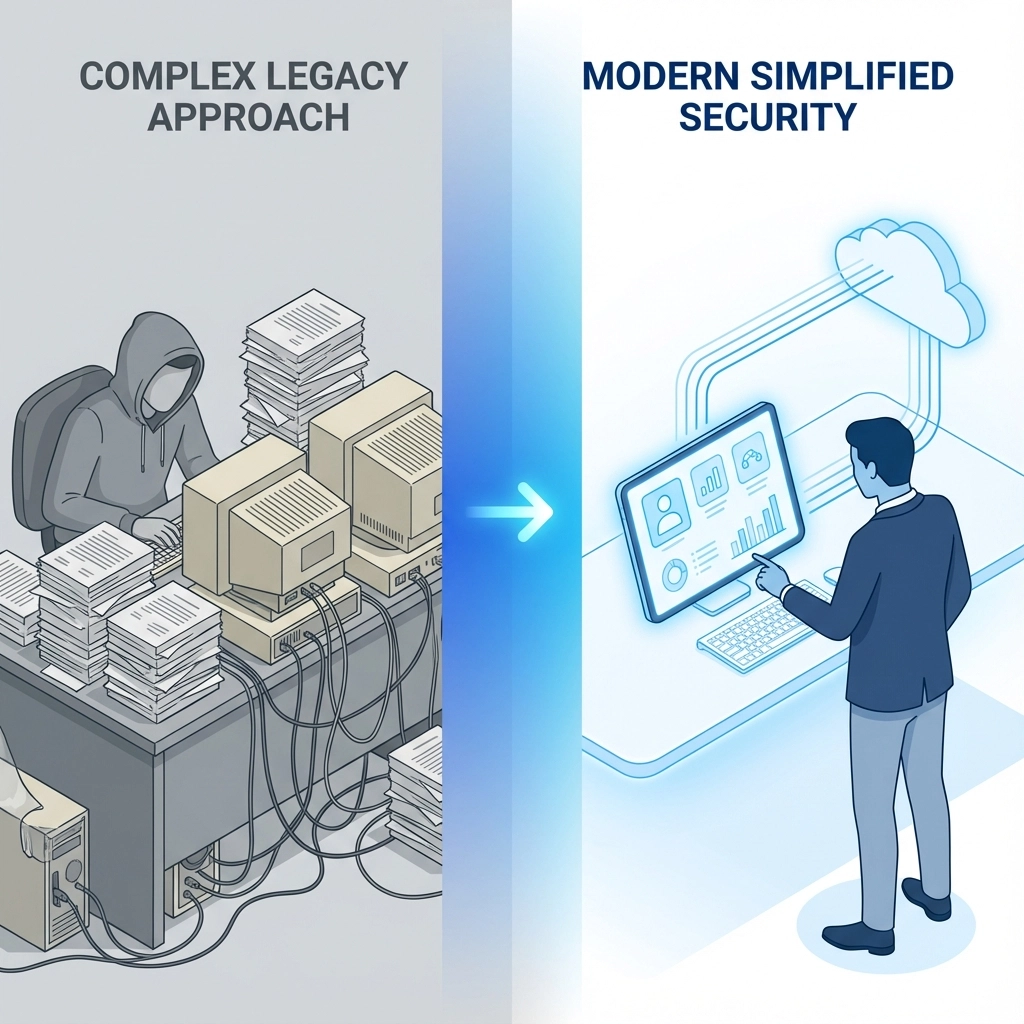
The old approach was like being told to install a specific brand of deadbolt on your front door, regardless of whether your door was made of paper or steel. The new approach asks: "Is your building actually secure?"
This outcome-focused thinking changes everything. Instead of asking "Did we check all the boxes?" you're now asking "Are we actually protected from the threats that matter?" It's a subtle but revolutionary difference.
For business leaders, this means you can finally have meaningful conversations about cybersecurity ROI. When your IT team says they need to invest in security, you can evaluate it based on real business outcomes rather than compliance theater.
The Game-Changing Addition: Governance
Here's where CPG 2.0 gets really interesting for executives. For the first time, a major cybersecurity framework puts governance front and center. This isn't about more bureaucracy: it's about making cybersecurity a strategic business function instead of just an IT department problem.
The governance component recognizes something that many business leaders already know: effective cybersecurity isn't just about having the right technology. It's about having the right processes, accountability, and strategic thinking.
This means cybersecurity conversations happen in the boardroom, not just the server room. It means security decisions align with business objectives. And it means someone is actually accountable for outcomes, not just implementations.
What This Looks Like in Practice
So what does outcome-based cybersecurity actually look like? Let's break it down with some real examples.
Old approach: "Install endpoint detection software on 100% of devices."
New approach: "Reduce the time between threat detection and response to under 15 minutes."
See the difference? The old approach focuses on what you buy. The new approach focuses on what you achieve.
Old approach: "Conduct quarterly vulnerability scans."
New approach: "Maintain visibility into all assets and address critical vulnerabilities within 72 hours."
Again, it's not about the activity: it's about the result.
This flexibility is huge for businesses because it means you can choose solutions that actually fit your operations, budget, and risk profile. If you're a small manufacturing company, your path to achieving these outcomes will look very different from a large financial services firm. And that's okay.

The Real-World Threat Alignment
One of the smartest things about CPG 2.0 is that it's built around actual threats, not theoretical ones. CISA looked at what's actually hitting businesses and designed the framework around those realities.
This means you're not preparing for some abstract cyber-attack scenario from a textbook. You're preparing for the ransomware attacks, phishing campaigns, and supply chain compromises that are actually happening to businesses like yours.
The framework also acknowledges that threats evolve. Instead of locking you into specific technical solutions that might be obsolete in two years, it gives you outcome-based goals that remain relevant even as the threat landscape changes.
Making the Transition: What Leaders Need to Know
If you're thinking about how to adapt to this new approach, here are the key things to keep in mind:
Start with risk, not technology. Before jumping into new tools or processes, understand what you're actually trying to protect and what threats matter most to your business. This business-first approach is exactly what CPG 2.0 encourages.
Measure what matters. The beauty of outcome-based goals is that they're measurable. You can actually track whether you're getting safer, not just whether you're getting more compliant. Set up metrics that tie cybersecurity performance to business outcomes.
Embrace flexibility. There's no one-size-fits-all solution anymore. Your path to achieving cybersecurity outcomes should be as unique as your business model, risk profile, and operational requirements.
Think strategically. With governance as a key component, cybersecurity becomes a strategic business function. This means involving leadership, aligning with business objectives, and thinking long-term about security investments.
Why This Matters for Every Business
Even if you're not in critical infrastructure, this shift toward outcome-based cybersecurity is worth understanding. It represents a broader trend in how we think about business risk management.
The principles of CPG 2.0: focusing on outcomes, aligning with real threats, enabling flexibility, and emphasizing governance: apply to any organization that faces cyber risks. Which, let's face it, is every organization today.
This approach also makes cybersecurity more accessible to business leaders who aren't technical experts. When you're focused on outcomes rather than technical specifications, you can have more meaningful conversations about risk tolerance, budget allocation, and strategic priorities.
The Bottom Line
CPG 2.0 represents something we haven't seen much of in cybersecurity: common sense. Instead of forcing businesses into rigid technical requirements, it gives them the flexibility to achieve real security outcomes in ways that work for their specific situation.
For business leaders, this is a huge win. You can finally evaluate cybersecurity investments based on whether they actually make you safer, not just whether they check compliance boxes. You can have strategic conversations about risk instead of technical conversations about tools.
The shift from technical checklists to business outcomes isn't just about better compliance: it's about better business. And in a world where cyber threats are increasingly a business risk rather than just a technology problem, that's exactly the kind of evolution we need.
The question isn't whether this outcome-based approach will become the norm. It's whether your organization will be ahead of the curve or scrambling to catch up.
What technology decision is in front of you?
A 20-minute independent second opinion from a senior technologist, not a salesperson.
Start a ConversationMore from the blog
The Hidden Financial and Operational Risks of Inadequate IT and Cybersecurity Practices

Beyond the Full-Time CIO: Why Flexible IT Leadership Is a Game-Changer for Growing Businesses